

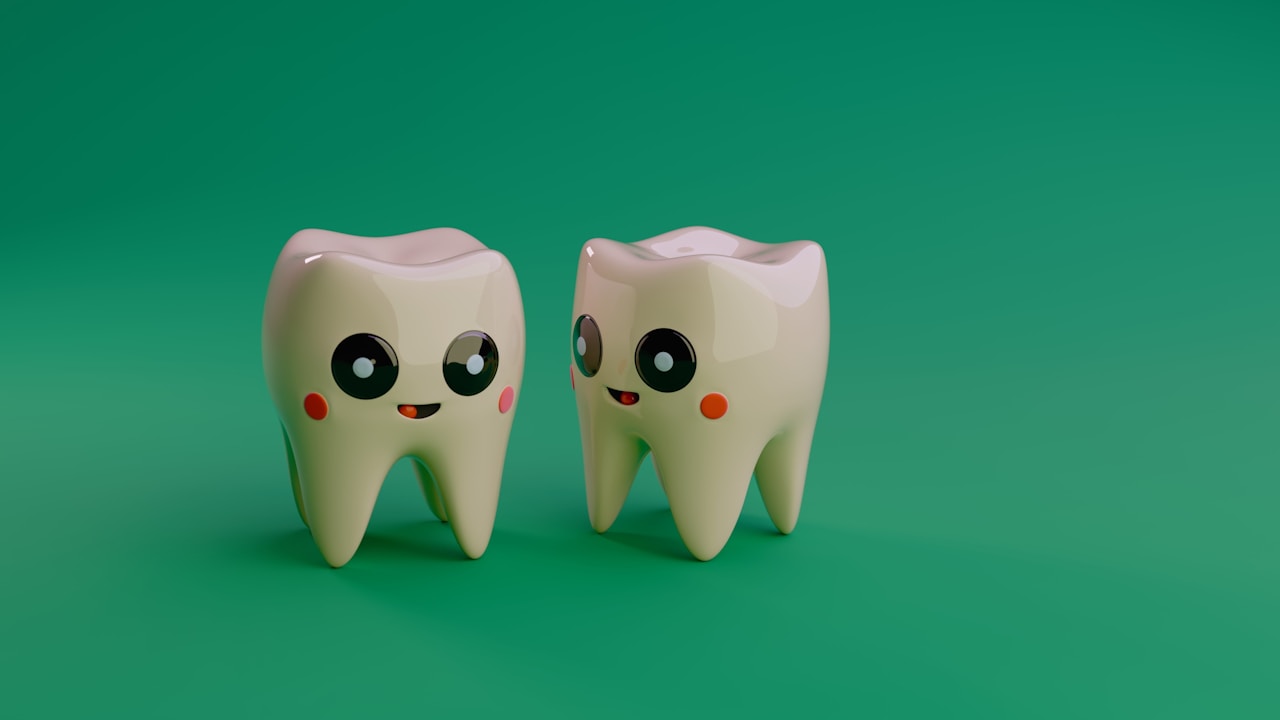
Understanding Dental Coverage Options for Medicare Beneficiaries
Dental coverage is an important aspect of overall health care, yet it often receives less attention compared to other medical benefits. For Medicare beneficiaries, understanding what dental services are covered and how to access them can be crucial for maintaining oral health.
Medicare, the federal health insurance program primarily for people aged 65 and older, does not typically cover most routine dental care. According to the Centers for Medicare & Medicaid Services (CMS), services such as cleanings, fillings, tooth extractions, and dentures are generally not included under traditional Medicare plans (www.cms.gov).
However, there are exceptions to this rule. Medicare Part A (Hospital Insurance) may cover certain dental services if they are required as part of a covered procedure. For example, if a patient needs a dental examination before undergoing a heart valve replacement surgery, Medicare might cover the exam if it is deemed medically necessary for the procedure.
Medicare Advantage plans, also known as Part C, are an alternative to traditional Medicare offered by private insurance companies. These plans often include additional benefits, such as dental, vision, and hearing coverage. Beneficiaries interested in dental coverage should carefully compare the options available within Medicare Advantage plans, as the extent of dental benefits can vary significantly between providers.
For those not enrolled in a Medicare Advantage plan, standalone dental insurance policies are available. These plans can be purchased from private insurers and typically cover a range of services, including preventive care, basic procedures, and major dental work. It's important for beneficiaries to assess their dental care needs and budget when selecting a plan, as coverage limits, premiums, and out-of-pocket costs can differ.
Another option for accessing dental care is through community health centers, which may offer dental services on a sliding fee scale based on income. These centers are funded by the federal government and aim to provide comprehensive health care to underserved populations, including those on Medicare.
Additionally, some states offer Medicaid programs that include dental benefits for eligible adults. Medicaid is a joint federal and state program that provides health coverage to low-income individuals and families. The extent of dental coverage under Medicaid varies by state, so beneficiaries should check with their state Medicaid office for specific details.
Maintaining oral health is vital for overall well-being, as poor dental health has been linked to various medical conditions, including heart disease and diabetes. Therefore, understanding the available dental coverage options and seeking appropriate care can help Medicare beneficiaries preserve their health and quality of life.
Sources
- Dental coverage - Provides an overview of what dental services are covered under Medicare.








Be the first to comment.