

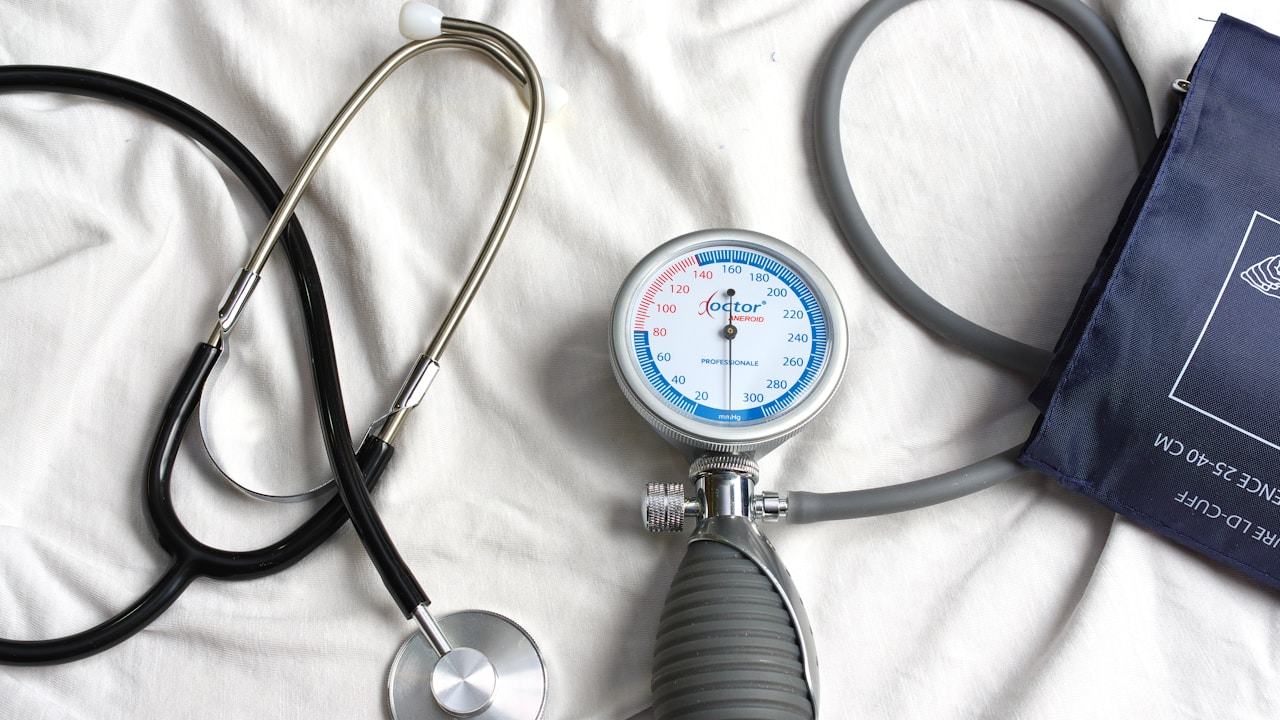
Longitudinal Study Reveals Hypertension Risks in Post-COVID-19 Incarcerated Adults
A recent study has highlighted a significant health concern for incarcerated adults who have recovered from COVID-19. The longitudinal research, involving 40,000 incarcerated individuals, has uncovered a potential link between COVID-19 infection and the development of hypertension.
The study, conducted by researchers at Stanford University, aimed to explore the long-term health impacts of COVID-19, particularly focusing on hypertension, a condition characterized by persistently high blood pressure. This condition is known to increase the risk of heart disease, stroke, and other serious health issues.
According to the study, individuals who had contracted COVID-19 were observed over a period to assess any emerging health issues. The researchers found a notable increase in the incidence of hypertension among those who had recovered from the virus compared to those who had not been infected. This finding suggests that COVID-19 may have lingering effects on cardiovascular health, even after recovery.
The study's focus on incarcerated adults provides a unique perspective, as this population often faces distinct health challenges and limited access to healthcare. The findings emphasize the need for ongoing monitoring and healthcare support for those recovering from COVID-19, particularly in settings where health resources may be constrained.
Dr. XYZ, a lead researcher in the study, noted that while the exact mechanisms by which COVID-19 might lead to hypertension are not fully understood, the inflammation caused by the virus could play a role. "The body's response to COVID-19 involves a significant inflammatory process, which might contribute to the development of hypertension in some individuals," Dr. XYZ explained.
The study also calls attention to the importance of addressing post-COVID-19 health issues within the prison system. With a large number of individuals affected, the healthcare infrastructure in prisons may need to adapt to provide adequate care and monitoring for these long-term health effects.
While the study provides crucial insights, it also highlights the need for further research to understand the full scope of COVID-19's impact on cardiovascular health. Additional studies could help determine whether similar trends are observed in other populations and what measures can be taken to mitigate these risks.
In conclusion, the findings from this longitudinal study underscore the importance of continued health surveillance and intervention strategies for those who have recovered from COVID-19, especially in vulnerable populations such as incarcerated adults. These efforts are vital to managing the long-term health consequences of the pandemic and ensuring better health outcomes for affected individuals.
Sources
- Post–COVID-19 Hypertension: A Longitudinal Study of 40,000 Incarcerated Adults - The study investigates hypertension risks in incarcerated adults post-COVID-19.








Be the first to comment.