

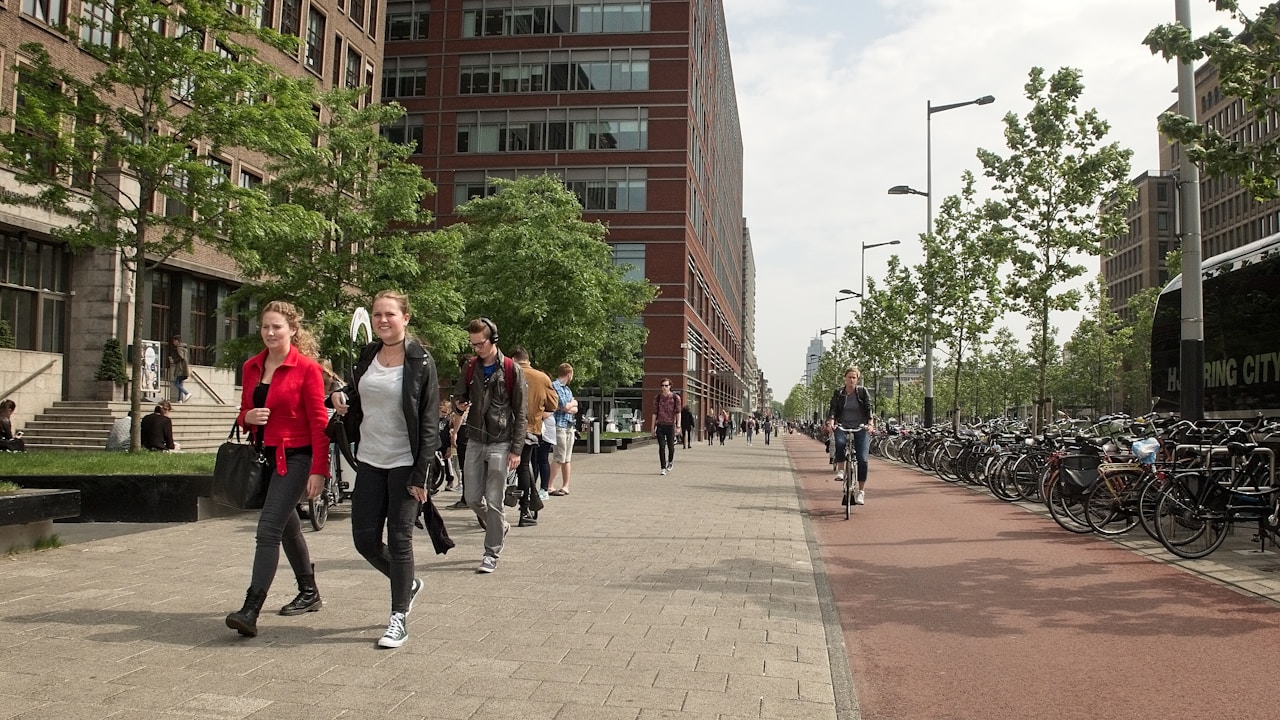
The Role of Neighborhood Design in Promoting Walking
The design of neighborhoods plays a significant role in encouraging or discouraging walking among residents. According to a report by the National Institutes of Health (NIH), certain urban planning features can greatly influence how much people walk in their daily lives. These features include the availability of sidewalks, the density of street networks, and the proximity of destinations like shops and parks.
Neighborhoods that are designed with pedestrian-friendly features tend to have higher levels of walking. This is because such environments make it easier and more appealing for residents to choose walking over driving. For instance, well-maintained sidewalks provide a safe space for pedestrians, while a dense street network offers multiple routes and shorter distances to reach various destinations.
Moreover, the presence of nearby amenities such as grocery stores, schools, and recreational facilities encourages walking as a practical choice for running errands or commuting. The NIH report highlights that when destinations are within walking distance, people are more likely to incorporate walking into their daily routines, thereby increasing their overall physical activity levels.
In contrast, neighborhoods lacking these features often see lower levels of walking. Areas with few sidewalks, long distances between destinations, and limited access to public transportation can discourage walking and contribute to a more sedentary lifestyle. This can have broader public health implications, as regular physical activity is essential for maintaining a healthy weight, reducing the risk of chronic diseases, and improving mental health.
Urban planners and policymakers are increasingly recognizing the importance of designing walkable neighborhoods as a means to promote public health. Initiatives aimed at improving pedestrian infrastructure, such as adding or repairing sidewalks and creating more pedestrian crossings, are being implemented in various cities to make walking a more attractive and feasible option for residents.
Furthermore, community involvement in neighborhood planning can play a crucial role in creating environments that support walking. Engaging residents in discussions about their needs and preferences can help ensure that the design of public spaces aligns with the community's lifestyle and health goals.
Overall, the design of neighborhoods is a critical factor in promoting walking and, by extension, enhancing public health. As cities continue to grow and evolve, prioritizing pedestrian-friendly infrastructure will be essential in fostering healthier, more active communities.
Sources
- Neighborhood Design Impacts Walking Levels - This article discusses how urban planning influences walking habits among residents.










Be the first to comment.