

Understanding Glucose Health: A Comprehensive Guide
Maintaining healthy blood glucose levels is essential for overall well-being, particularly for individuals with diabetes or those at risk of developing the condition. Glucose, a simple sugar, serves as the primary energy source for the body's cells. However, imbalances in glucose levels can lead to various health issues, including diabetes, cardiovascular diseases, and metabolic disorders.
What is Glucose?
Glucose is a type of sugar derived from the foods we consume, particularly carbohydrates. It is absorbed into the bloodstream and transported to cells throughout the body. Insulin, a hormone produced by the pancreas, plays a crucial role in regulating blood glucose levels by facilitating the uptake of glucose into cells for energy production.
The Importance of Glucose Regulation
Proper regulation of glucose is vital for maintaining energy balance and preventing health complications. When blood glucose levels are too high, it can lead to hyperglycemia, a condition that may result in long-term damage to organs and tissues. Conversely, low blood glucose levels, or hypoglycemia, can cause immediate symptoms such as dizziness, confusion, and fainting.
Factors Affecting Blood Glucose Levels
Several factors can influence blood glucose levels, including diet, physical activity, stress, and hormonal changes. Consuming a diet high in refined carbohydrates and sugars can lead to spikes in blood glucose levels. Regular physical activity helps improve insulin sensitivity, allowing for more effective glucose uptake by cells.
Monitoring and Managing Blood Glucose
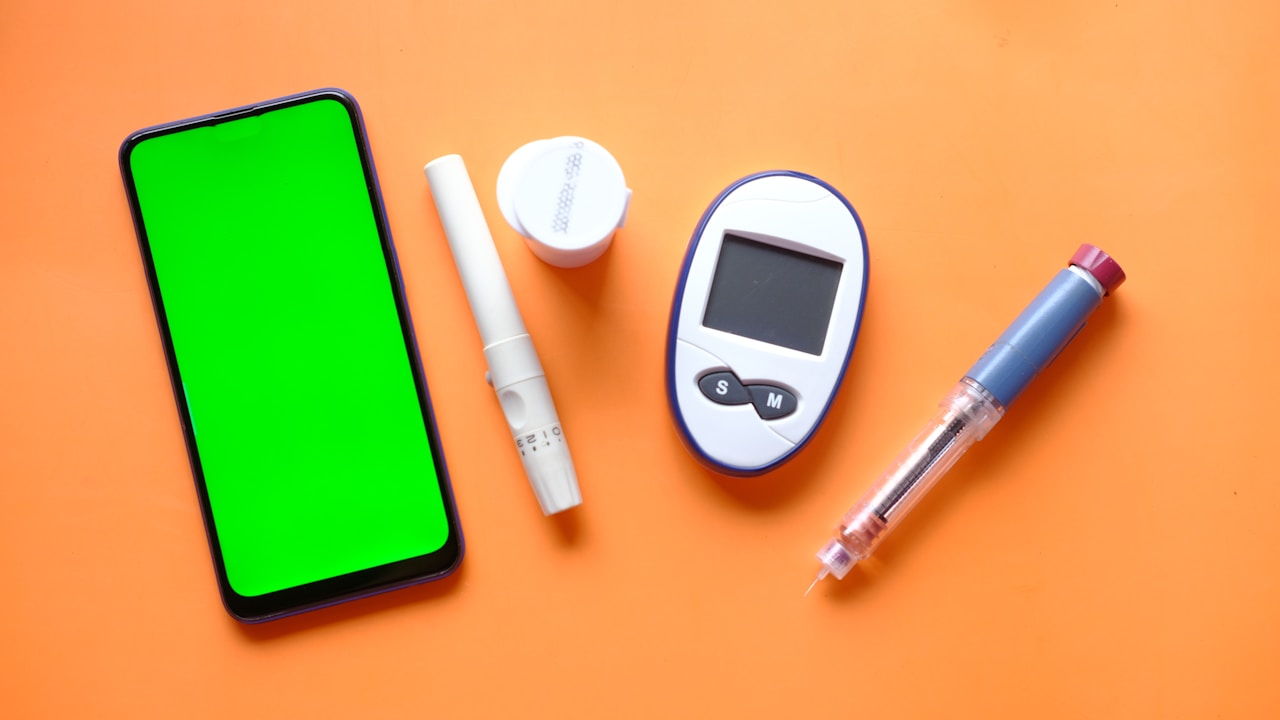
For individuals with diabetes, regular monitoring of blood glucose levels is essential. This can be done using a blood glucose meter, which provides immediate readings of blood sugar levels. Continuous glucose monitors (CGMs) offer an alternative by providing real-time data on glucose levels throughout the day.
Dietary Considerations for Glucose Health
A balanced diet is crucial for maintaining healthy blood glucose levels. Incorporating whole grains, fiber-rich foods, lean proteins, and healthy fats can help stabilize blood sugar. Limiting the intake of processed foods and sugary beverages is also recommended to prevent glucose spikes.
The Role of Medication
For some individuals, lifestyle changes alone may not be sufficient to manage blood glucose levels. Medications such as metformin, insulin, and other antidiabetic drugs can be prescribed to help control blood sugar. It is important to work closely with healthcare providers to determine the most appropriate treatment plan.
Prevention and Lifestyle Changes
Preventing glucose imbalances involves adopting a healthy lifestyle. This includes maintaining a balanced diet, engaging in regular physical activity, managing stress, and avoiding tobacco use. Regular check-ups with healthcare professionals can help monitor glucose levels and prevent complications.
Conclusion
Understanding and managing glucose health is crucial for preventing diabetes and other related health issues. By adopting healthy lifestyle practices and monitoring blood glucose levels, individuals can maintain optimal health and reduce the risk of long-term complications.
Sources
- Your Guide to Glucose Health - Comprehensive insights into maintaining healthy blood glucose levels.










Be the first to comment.