

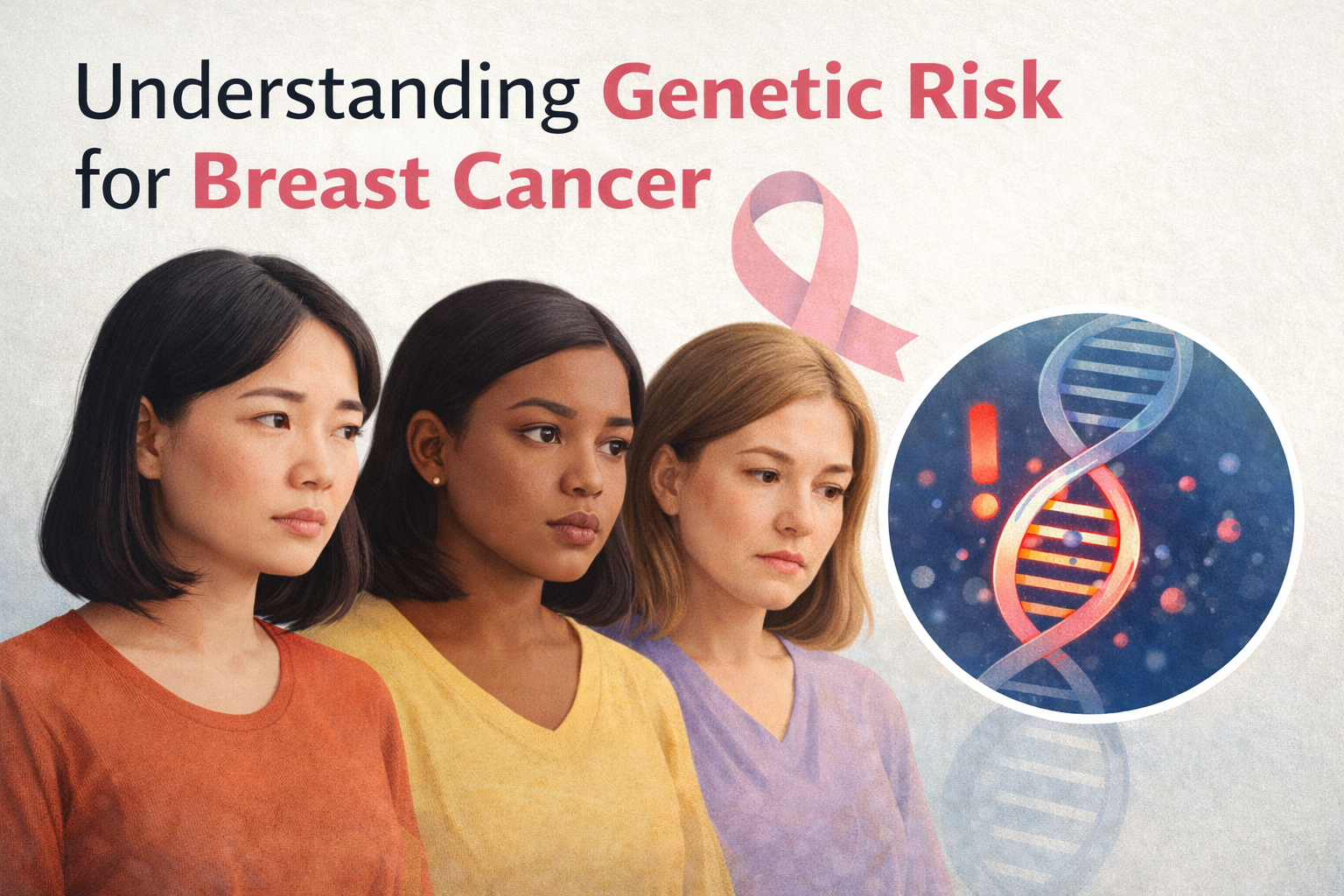
Understanding Genetic Risk: Many Women Carry Breast Cancer Risk Genes Without Diagnosis
Recent research has highlighted a significant finding in the field of breast cancer genetics: approximately one in 38 women without a breast cancer diagnosis carry genetic mutations that increase their risk for the disease. This discovery underscores the importance of genetic testing and counseling in identifying individuals who may benefit from enhanced screening and preventive strategies.
The study, published in a reputable medical journal, examined the prevalence of specific gene mutations known to elevate breast cancer risk in women who have not been diagnosed with the disease. These mutations include well-known genes such as BRCA1 and BRCA2, as well as other less commonly recognized genes associated with increased breast cancer risk.
Researchers conducted a comprehensive analysis of genetic data, revealing that these mutations are more common than previously thought. The findings suggest that a significant number of women may unknowingly carry these risk factors, which could potentially lead to earlier interventions if identified through genetic testing.
Genetic counseling plays a crucial role in interpreting the results of such tests. Women who test positive for these mutations can work with healthcare providers to develop personalized risk management plans. These plans may include more frequent mammograms, MRI screenings, or even prophylactic surgeries to reduce the risk of developing breast cancer.
The study emphasizes the need for increased awareness and accessibility of genetic testing, particularly for women with a family history of breast cancer or other risk factors. By identifying those at higher risk, healthcare providers can implement targeted strategies to monitor and potentially prevent the onset of breast cancer.
Experts recommend that women discuss their family history and potential genetic risks with their healthcare providers. This conversation can help determine whether genetic testing is appropriate and what subsequent steps should be taken based on the results.
Overall, the findings from this study highlight the critical role of genetics in breast cancer risk assessment. As research continues to evolve, it is hoped that more women will have access to the information and resources necessary to make informed decisions about their health.
Sources
- One in 38 Women Without Breast Cancer Carry Risk Genes - A study reveals that many women carry genetic mutations linked to increased breast cancer risk.










Be the first to comment.