

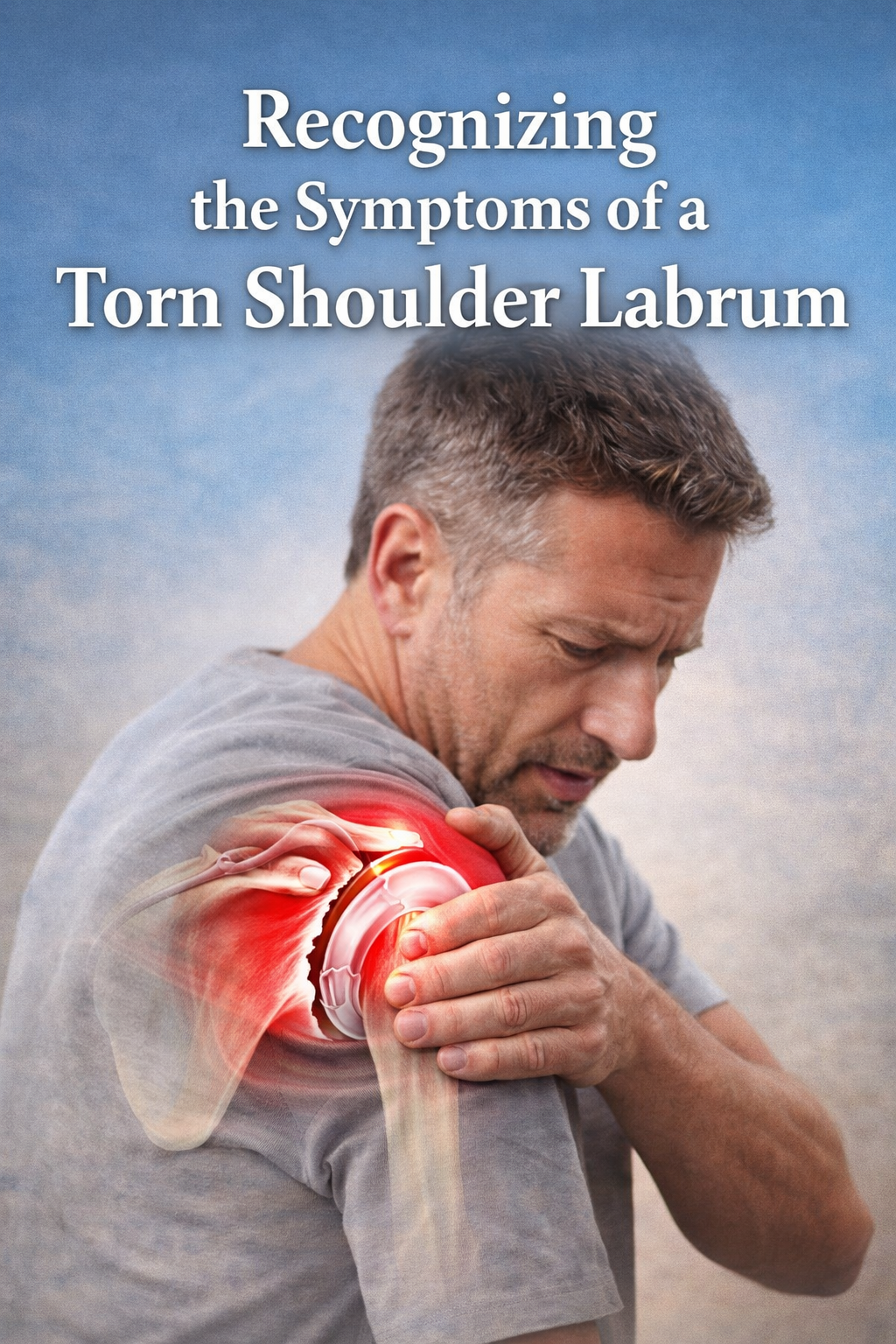
Recognizing the Symptoms of a Torn Shoulder Labrum
Shoulder pain can be a common complaint, but when it stems from a torn labrum, it can significantly affect daily activities and quality of life. Understanding the signs of a torn labrum is crucial for seeking timely medical intervention and preventing further injury.
What is a Torn Labrum?
The labrum is a ring of cartilage that surrounds the shoulder socket, providing stability and cushioning to the joint. A tear in this structure can result from acute trauma, such as a fall or a direct blow to the shoulder, or from repetitive stress, often seen in athletes who engage in overhead motions.
Key Signs of a Torn Labrum
Identifying a torn labrum can be challenging due to its symptoms often overlapping with other shoulder issues. However, there are specific signs that may indicate a labral tear:
- Persistent Pain: A torn labrum may cause a deep, aching pain in the shoulder, which can worsen with overhead activities or when lying on the affected side.
- Limited Range of Motion: Individuals may experience difficulty moving their shoulder fully, especially during activities that involve reaching or lifting.
- Weakness: The shoulder may feel weak, particularly during activities that require strength, such as lifting objects or pushing.
- Instability: A sensation of the shoulder feeling loose or slipping out of place can be a sign of a torn labrum.
- Clicking or Popping Sensation: Some individuals report hearing or feeling a clicking or popping sound when moving the shoulder.
- Swelling or Tenderness: The shoulder area may appear swollen or feel tender to the touch.
Diagnosis and Treatment
Diagnosis of a torn labrum typically involves a physical examination by a healthcare provider, who may also order imaging tests such as an MRI to confirm the diagnosis. Treatment options vary depending on the severity of the tear and the individual's lifestyle needs.
Conservative treatments may include rest, physical therapy, and anti-inflammatory medications to reduce pain and swelling. In cases where conservative measures are insufficient, surgical intervention might be necessary to repair the torn labrum.
Preventing Further Injury
For those at risk of a torn labrum, such as athletes or individuals with physically demanding jobs, preventive measures can be beneficial. These include strengthening shoulder muscles, maintaining flexibility, and using proper techniques during activities that strain the shoulder.
Understanding the signs of a torn labrum and seeking appropriate medical care can help manage symptoms and prevent long-term shoulder damage. If shoulder pain persists, it is advisable to consult a healthcare professional for a comprehensive evaluation.
Sources
- 6 Signs Your Shoulder Pain Is From a Torn Labrum - This source discusses the common signs and symptoms associated with a torn shoulder labrum.








Be the first to comment.