

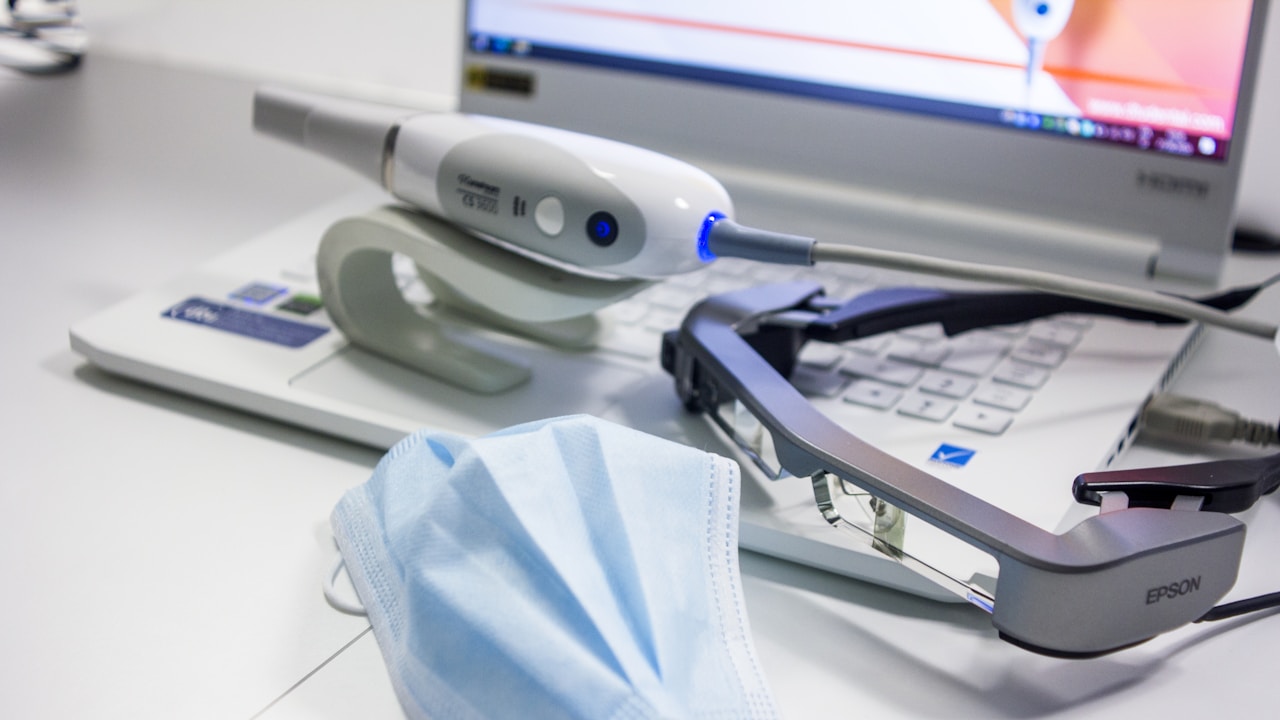
How Payer Solutions Technology Enhances Patient Outcomes and Reduces Costs
Payer solutions technology plays a crucial role in the healthcare industry by improving patient outcomes and reducing costs. These technologies facilitate better data management, streamline processes, and enhance communication between healthcare providers and payers, ultimately benefiting patients and the healthcare system as a whole.
Improving Patient Outcomes
One of the primary goals of payer solutions technology is to enhance patient outcomes. This is achieved through the integration of advanced data analytics and real-time information sharing. By leveraging these tools, healthcare providers can make more informed decisions, leading to more personalized and effective patient care.
For instance, data analytics can help identify patient trends and predict potential health issues before they become critical. This proactive approach allows for timely interventions, reducing the likelihood of complications and improving overall health outcomes.
Reducing Healthcare Costs
Cost reduction is another significant advantage of payer solutions technology. By optimizing administrative processes and reducing inefficiencies, these technologies help lower operational costs for healthcare providers and payers alike.
Automation of routine tasks, such as claims processing and billing, minimizes the need for manual intervention, reducing the risk of errors and speeding up the reimbursement process. This efficiency not only saves money but also ensures that patients receive the care they need without unnecessary delays.
Enhancing Communication and Collaboration
Effective communication between healthcare providers and payers is essential for delivering quality patient care. Payer solutions technology facilitates seamless information exchange, enabling all parties to access up-to-date patient data and collaborate more effectively.
This improved communication helps in coordinating care plans, ensuring that patients receive consistent and comprehensive treatment across different healthcare settings. It also allows for better tracking of patient progress, enabling providers to adjust care plans as needed to achieve optimal outcomes.
The Role of Technology in Value-Based Care
As the healthcare industry shifts towards value-based care, payer solutions technology becomes increasingly important. Value-based care focuses on providing high-quality care while controlling costs, and technology is a critical enabler of this model.
By providing insights into patient data and outcomes, payer solutions technology supports healthcare providers in delivering care that is both effective and efficient. This alignment with value-based care principles not only benefits patients but also contributes to the sustainability of the healthcare system.
Sources
- Payer Solutions Technology that helps improve patient outcomes and reduce costs - A discussion on how payer solutions technology enhances healthcare efficiency and patient care.










Be the first to comment.